
Storytelling for Change: Why Every Cause Needs a Villain
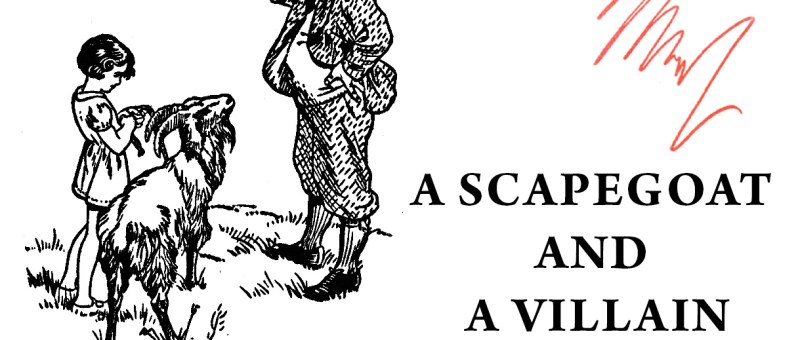
Scapegoating in its original form is a purging: an offloading of the community’s sins onto something else, which is expelled along with the guilt. The practice of transferring sins is universal to human experience. Hence the word ‘scapegoat’ hasn’t fallen out of use in 600 years. The question is why? Why do we need someone or something to project our failures or guilt onto? Luckily for me and you, dear reader, there are researchers and scientists who have been asking the same question. What they have found indicates something uncomfortable about which problems we choose to fight, and the ones we think can’t be won. Before I get into the research, let’s look at two major issues affecting humanity right now.

Why Change Communication Fails (And How to Make It Stick)

I was working on a digital transformation project for a large bank. My job was to create the roadshow content and the deck that would go out to employees explaining the change process. I was talking to one of the lead engineers to help me understand the ‘why’. Why this change? What would we gain? What would we lose if the change wasn’t implemented? He didn’t have an answer. He responded, “The CEO just decided. That’s why.”

An Explorer’s Guide to Change Fatigue

In the uncharted territories of 2024 and beyond, the only constant is change. The weariness of change fatigue sets in as explorers tire on a perpetual voyage of discovery. The landscapes of transformation seem boundless, leaving us pondering when the journey will end and we can rest. Fear not! We'll unfurl the sails of change…